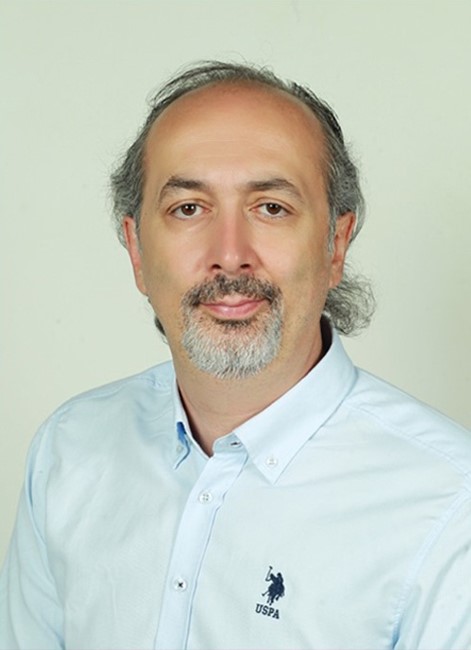
 Prof. Özgür Bayram
Ireland-Vietnam Partnership: Transforming Coffee Industry Waste into Sustainable Mycoprotein for Circular Economic Growth and a Better Environment
ABOUT
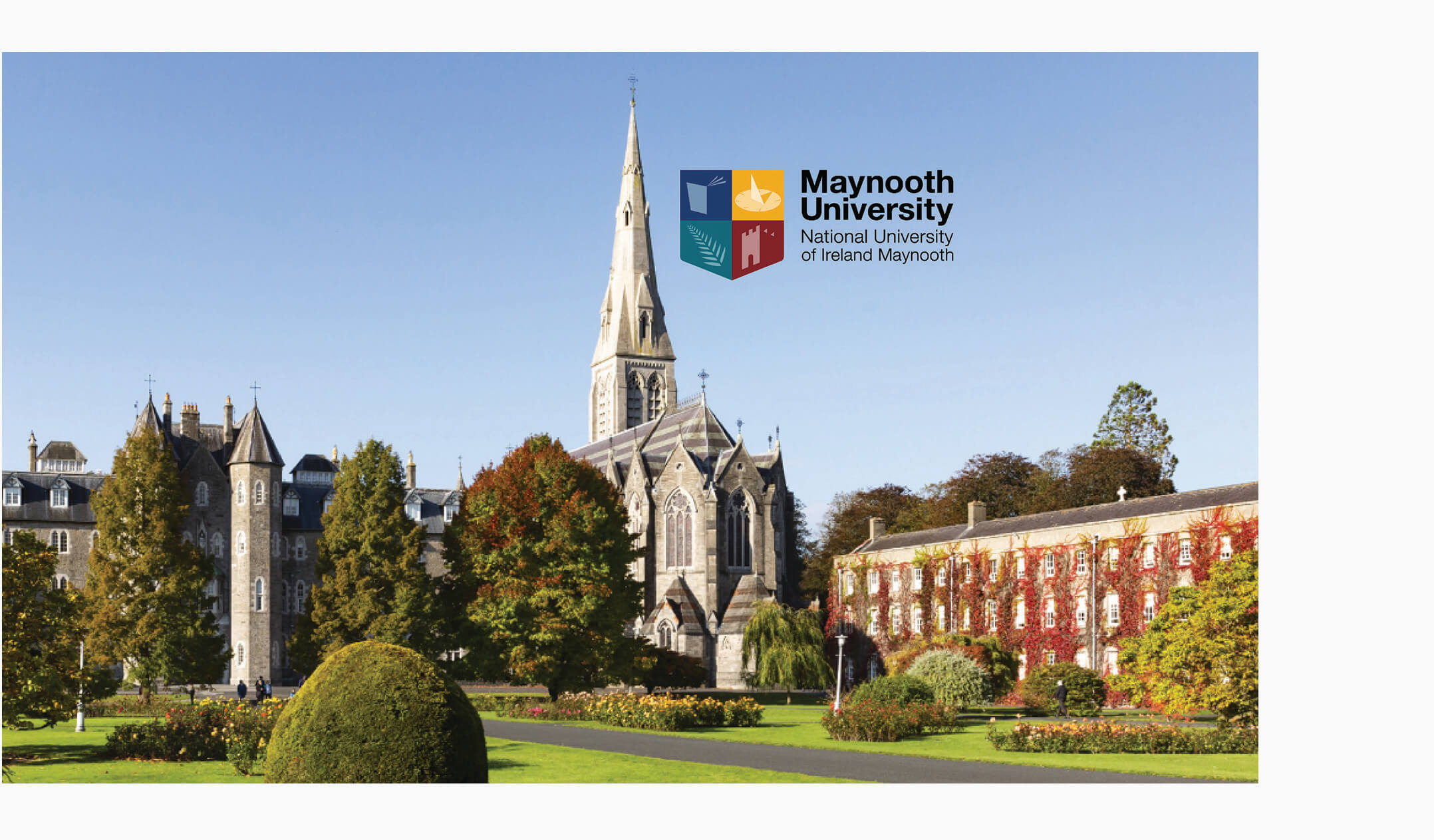
We are an international research partnership between Maynooth University (Ireland) and Hanoi University of Science, Vietnam, funded by Research Ireland (COALESCE). Our project transforms coffee industry waste—over two million tons produced annually in Vietnam—into sustainable, protein-rich mycoprotein using edible fungi. By linking science, industry, and policy, we aim to reduce waste, improve food security, and support a circular, climate-resilient food system.
Coffee is one of the world’s most traded crops, but its production generates vast amounts of waste. In Vietnam, the second-largest global coffee producer, nearly two million tons of coffee by-products such as pulp, husk, and wastewater are created every year. If left unmanaged, these side streams can cause serious environmental problems, including water pollution and ecosystem damage. At the same time, global food systems face urgent challenges of food insecurity, malnutrition, and sustainability.
Ireland–Vietnam Partnership: Transforming Coffee Industry Waste into Sustainable Mycoprotein is a three-year research project funded by Research Ireland under the COALESCE programme. The project is a collaboration between Maynooth University (Ireland), Hanoi University of Science, Vietnam National University, and the Phuc Sinh Coffee Production Corporation, with additional support from government and NGO partners.
Our project builds on successful work valorising agri-food side streams in Ireland, including whiskey industry by-products. We will screen and optimise edible mushrooms and filamentous fungi that can grow on coffee waste, transforming it into nutrient-rich mycoprotein—a sustainable, affordable, and healthy alternative protein source. The research also includes genomic, proteomic, and metabolomic analysis of fungal strains, as well as pilot-scale fermentation for industrial applications.
Beyond the science, this project is about capacity building and knowledge transfer. Vietnamese researchers will receive training in advanced biotechnological methods, while industry partners will gain strategies for waste reduction and value creation.
Beyond the science, this project is about capacity building and knowledge transfer. Vietnamese researchers will receive training in advanced biotechnological methods, while industry partners will gain strategies for waste reduction and value creation.
Ultimately, the Ireland–Vietnam Mycoprotein Project aims to contribute to a circular economy, reduce the environmental burden of coffee production, and provide innovative food solutions that support global goals such as Zero Hunger, Responsible Consumption and Production, Climate Action, and Partnerships for the Goal

Have sustainability ideas or questions? Contact us!